What Is Boiler Water Treatment and Why Does It Matter?

March 06, 2026

Boiler water treatment uses mechanical pretreatment, chemical control, and operational monitoring. It prevents scale, corrosion, sludge, and carryover in industrial boilers. For any facility with a fire-tube or water-tube boiler, water quality directly impacts heat transfer, vessel integrity, and equipment life. This applies to feedwater, drum water, and condensate return. Proper treatment is not just maintenance. It is a foundational operating requirement.


What Treatment Actually Involves


Treatment covers three main zones. These are feedwater pretreatment, internal drum chemical management, and condensate return protection. Operating pressure, makeup water fraction, and source water chemistry determine the exact needs for each zone.


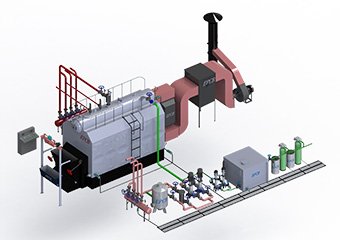
Many people mistakenly treat this as one simple step. They dose a single chemical into the feedwater tank and stop there. A structured program coordinates external equipment, like softeners and deaerators, with regular chemical dosing and testing. Each zone stops a different type of failure. External pretreatment removes impurities before they hit boiler surfaces. Internal chemicals handle leftover issues inside the drum under high heat and pressure. Condensate treatment stops carbonic acid from corroding return piping.


Treatment scopes vary widely. A low-pressure boiler using city water might only need thermal deaeration and an oxygen scavenger. A high-pressure water-tube boiler using hard groundwater needs much more. It requires softening or reverse osmosis, deaeration, scale inhibitors, continuous conductivity monitoring, and automated blowdown. We match the treatment to your boiler's pressure, dissolved solids limits, and water source chemistry.

Why Untreated Feedwater Causes Damage


New boiler owners often think clear, odor-free water needs no treatment. This is a costly mistake. Dissolved hardness minerals, silica, and oxygen stay hidden at room temperature. They become destructive inside the drum under operating heat and pressure.


When water evaporates inside a boiler, dissolved calcium and magnesium stay behind. They concentrate quickly. Once they pass their solubility limits, they turn into solid deposits on heat transfer surfaces. This scale acts as a thermal insulator. Even a thin layer blocks heat from reaching the water. The boiler then burns more fuel to keep up, causing tube metal to overheat. This leads to tube blistering or even severe ruptures.


Corrosion works differently but causes just as much damage. Dissolved oxygen enters through makeup water or poor condensate return. It attacks steel through pitting corrosion. This creates deep, localized weak spots that can cause sudden wall failures. Also, carbon dioxide in the condensate forms carbonic acid. This acid slowly eats away at piping walls over time.


When makeup water hardness is high and softening equipment is missing, we see heavy scale within the first year. This requires expensive acid cleaning. If you do not manage post-cleaning neutralization well, you risk even more corrosion.


External vs. Internal Treatment


External and internal treatments target different parts of the water cycle. You need both for an effective program. Relying on just one always leads to chemical imbalances or early equipment failure.


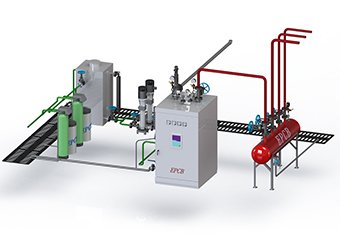
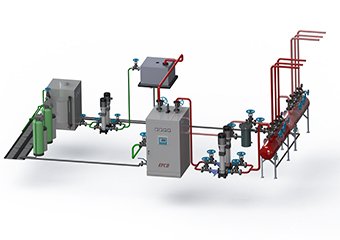
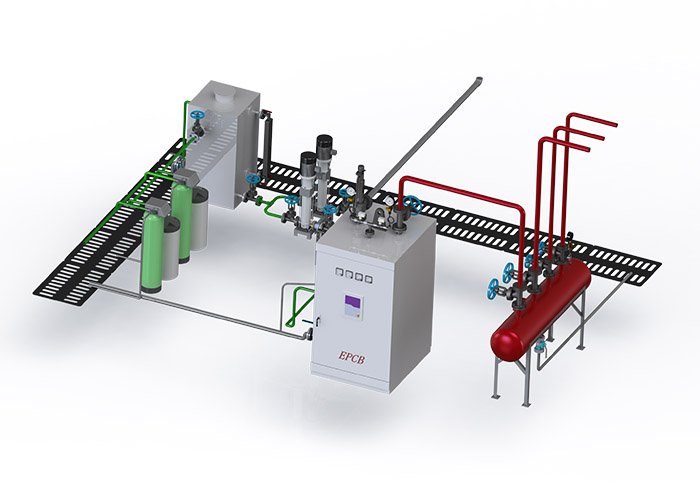
External pretreatment prepares makeup water before it reaches the boiler. The right methods depend on your water source and operating pressure:


· Water softening (ion exchange): Removes calcium and magnesium. These are the main causes of scale. This fits low-to-medium pressure boilers where some dissolved solids remain acceptable.


· Reverse osmosis (RO): Removes dissolved salts, silica, and organic matter. High-pressure boilers usually need RO to prevent silica scaling and steam turbine issues. Always check manufacturer limits.


· Deaeration: Uses heat and steam to physically remove dissolved oxygen and carbon dioxide. Thermal deaeration works best. You can use chemical oxygen scavengers as a backup or when thermal methods do not fit.


Internal chemical treatment controls the remaining chemistry inside the drum. Typical programs use oxygen scavengers at lower pressures. They also use scale inhibitors, like phosphates or polymers, to stop hardness from sticking to tubes. Adjusters balance pH and alkalinity to protect steel. Anti-foaming agents stop carryover. Condensate systems use amines to neutralize acids and protect return pipes.


The balance between external and internal treatment changes with pressure. High-pressure boilers handle fewer dissolved solids. They need strict external pretreatment, leaving less work for internal chemicals. We check your boiler's specific limits before finalizing any plan.

Variables Setting the Right Program


Your boiler water treatment program relies on at least five unique site factors. Programs built without testing water and matching pressure specs always fall short.


Key variables include operating pressure and temperature. Source water chemistry matters greatly. You must check hardness, alkalinity, silica, dissolved oxygen, iron, and total dissolved solids (TDS). The ratio of makeup water to condensate return is also vital. The end use of your steam changes the rules, especially if it touches food or pharmaceuticals. Finally, blowdown capacity and heat recovery affect your cycles of concentration. This cycle dictates how strongly you must pretreat the feedwater.


A complete water analysis is mandatory. Without exact source water numbers, you are just guessing chemical rates and blowdown targets. We require a site-specific water test before confirming any program. We also update this analysis if the water supply changes.


This advice applies to standard industrial steam and hot water boilers. It does not cover once-through generators or supercritical boilers. If local rules demand stricter standards, you must work directly with the manufacturer and regulators.


Monitoring and Blowdown Operations

A good chemical program only works if you keep operating parameters within target ranges. You must monitor the system regularly. Match your testing schedule to how fast water chemistry changes based on your makeup rate and steam demand.


We recommend tracking pH and conductivity during routine checks. Conductivity acts as a simple proxy for TDS. Also check hardness downstream of the softener and dissolved oxygen at the deaerator outlet. Compare your chemical dosing rates against documented targets. Conductivity is highly useful because it combines all scale risks into one easy number. You can link it to continuous monitors for automated blowdown control.


Blowdown removes part of the boiler water to limit dissolved solids. Surface blowdown manages TDS.


Intermittent bottom blowdown clears out sludge from the lower drum. Operators often rely entirely on bottom blowdown and ignore surface blowdown. This allows silica or sulfate scale to coat tubes long before sludge appears. Fixing this requires acid cleaning and a total pretreatment review. Always set blowdown volumes based on your specific water chemistry and pressure. Never guess or ignore changing water conditions.


Common Water Treatment Mistakes


The worst boiler water failures come from bad program design, not bad equipment. Common errors include mismatching chemicals to pressure ranges, ignoring poor deaerator performance, and relying on visual checks instead of chemical tests.


One major failure involves oxygen scavengers. Many facilities base their dosing rates only on fresh makeup water. They forget about air leaking into the condensate system or aging deaerators underperforming. When deaerators fail to remove enough oxygen, chemical scavengers cannot keep up. This rapidly accelerates pitting corrosion in piping and tubes.


Another frequent gap is ignoring high silica levels in source water. Silica scale is incredibly stubborn. You cannot easily clean it with chemicals; it usually requires harsh mechanical or acid cleaning. Always check your boiler's limits to know when silica becomes a major risk.


Every treatment program needs a baseline water test. Run a verification check at startup to ensure your pretreatment equipment works right. Schedule regular reviews to catch any shifts in water quality or boiler loads.


FAQ


External vs. Internal Treatment?


External treatment cleans makeup water before it enters the boiler using softeners, RO units, and deaerators. This lowers the impurity load. Internal treatment uses chemicals inside the drum to manage leftover impurities, balance pH, stop corrosion, and prevent scale. You need both. Your boiler's pressure and water quality decide the exact balance between them.


Does This Apply to Hot Water Boilers?


Yes, but the focus shifts. Hot water boilers operate in closed loops and use very little makeup water. You mostly focus on stopping corrosion and controlling oxygen. Steam boilers constantly consume water and need fresh makeup water. This makes scale prevention the main focus for steam systems.


How Does Pressure Affect Treatment?


Higher pressure means higher temperatures. This makes scale form much faster. The boiler also becomes more sensitive to oxygen, silica, and hardness. High-pressure systems demand strict pretreatment, tight chemical control, and frequent testing. Always verify specific limits with your boiler manufacturer.


What If Blowdown Rates Are Wrong?


If blowdown is too low, dissolved solids and sludge build up. This causes scale, foaming, and carryover. If blowdown is too high, you waste heat and expensive treated water. This raises costs without adding protection. You must calculate the exact rate using your makeup water TDS and target cycles of concentration.


Can One Chemical Do It All?


No. A single blended chemical can help, but it cannot replace deaeration, pretreatment, or regular testing. Dosing rates and chemical types must change based on pressure, water hardness, and steam use. You need a specific water analysis to build a reliable protection plan.


Conclusion


Boiler water treatment requires a comprehensive strategy, not just buying a product. The best approach relies on operating pressure, water chemistry, makeup rates, steam use, and blowdown control. These factors interact constantly. Off-the-shelf programs fail without site-specific testing. You can prevent scale, corrosion, and carryover. However, your pretreatment, internal chemistry, and condensate return must work together perfectly.


We tackle water treatment during the initial boiler design phase. Your boiler's pressure, surface area, and available water quality dictate its exact needs. Often, the biggest challenge is the gap between what the boiler needs and what your water source provides. Fixing this before startup is much cheaper and easier than repairing scale or corrosion later. Skipping pretreatment to save money upfront always costs more in maintenance within the first few years.


If you are buying a new industrial boiler or checking your current setup, start with a fresh water analysis. Combine this with your boiler pressure and steam needs. Share these details with our team. We will review your treatment plan, spot any gaps, and help you set up proper safeguards before you operate.


  • Send You Inquiry

  • Give You Boiler Solution

  • Place The Order

  • Get Your Boiler

Ask for Boiler Solution Suited Your Condition!

Tell us your need about boiler capacity in your industry, we will recommend the most suitable boiler model for you!

Consult online customer service
Product:
Boiler fuel: