Evaluating an industrial boiler manufacturer is not the same as comparing product specs. The right evaluation covers certification validity, engineering depth, fabrication quality controls, references from comparable projects, and after-delivery support. A boiler that looks good on paper but fails in service costs far more than the purchase price. How thorough your evaluation needs to be depends on operating pressure, your regulatory environment, and how critical continuous steam or heat supply is to your operation.
This guidance applies to industrial steam boilers, hot water boilers, and thermal oil heaters for defined process applications. It does not cover utility-scale power generation boilers, supercritical units, or nuclear-grade pressure vessels. Those applications need evaluation criteria developed with the applicable regulatory authority and statutory inspection bodies.

Why Certifications Are a Starting Point, Not a Final Answer
Valid certifications are a necessary condition for shortlisting a manufacturer. They are not sufficient proof of reliability on their own. Three certification types are commonly cited in boiler procurement. Each has a different scope, a different issuing body, and a different set of documents you should request.
ASME Certificate of Authorization is granted by ASME to a manufacturer. It allows the manufacturer to use a specific Certification Mark on equipment that meets the applicable Boiler and Pressure Vessel Code section. The Certificate scope specifies which Code sections and equipment types are covered. Common examples: S stamp (power boilers, Section I), U stamp (pressure vessels, Section VIII Div.1), and H stamp (heating boilers, Section IV). A manufacturer may hold one or several stamps. Confirm the stamp type and pressure class cover the specific boiler you are buying. ASME also requires the manufacturer to maintain a documented Quality Control System (QCS) and undergo periodic joint reviews by ASME and an Authorized Inspection Agency (AIA). Request the Certificate of Authorization. Confirm its current validity and scope. Ask which AIA is assigned to the facility.
CE marking under the Pressure Equipment Directive (PED 2014/68/EU) is required for pressure equipment sold in the EU market. Whether a Notified Body must be involved — and which assessment module applies — depends on the equipment category under PED classification. Categories run from I through IV, based on pressure, volume or DN, and fluid group. For higher-category boilers, third-party involvement is mandatory. Request the EU Declaration of Conformity. Confirm the Notified Body identification number. Verify that the DoC references the specific equipment type and PED category. CE marking without an accompanying DoC and required Notified Body involvement is not a valid compliance claim.
ISO 9001 confirms a quality management system is in place. It does not certify individual products. The certification scope varies a lot between manufacturers holding the same certificate. It defines which sites, product lines, and design and manufacturing activities are covered. Request the ISO 9001 certificate and scope statement. Verify the scope explicitly covers design, engineering, and fabrication of the boiler type you are buying at the specific manufacturing location. A narrow scope may exclude the activities most relevant to your purchase.
Request the certificate scope, the most recent surveillance audit findings, and the objective records the QCS produces. Do not accept a certificate image alone. Teams that treat a certificate copy as due diligence frequently find gaps only after the equipment arrives on site.
In-House Engineering and Customization Capability

An industrial boiler for a specific process is rarely a catalogue item. The manufacturer's ability to adapt the design to your heat load profile, fuel type, installation constraints, and downstream equipment matters a great deal. So does the ability to produce engineering documentation that reflects those conditions. This is one of the most important differentiators between manufacturers. It is also one of the least visible in a standard quotation.
We see two types of manufacturers. The first offers standard models with limited variation. The second has an in-house engineering team. That team can run heat balance calculations, select appropriate tube geometry and heating surface area for the specific fuel and load, and produce stamped drawings for statutory review. For simple applications at standard pressure ratings, a well-certified standard product may work fine. For non-standard fuels, variable load profiles, space constraints, or specific steam quality needs, a manufacturer without in-house design capability cannot confirm fitness for purpose. They can only confirm the boiler meets its own nameplate ratings.
Ask whether the technical proposal includes heat balance calculations based on your actual feedwater temperature, fuel analysis, and steam demand profile. A manufacturer that asks for your process parameters before quoting is showing real engineering engagement. One that quotes without asking for those inputs is treating the boiler as a standard product regardless of your application.
The Misconception That Factory Scale Equals Quality

Using factory size as a proxy for build quality is a common shortcut. It is often unreliable. Smaller focused manufacturers with rigorous inspection procedures can produce more consistent equipment than larger facilities with higher output but weaker fabrication controls. The variables that predict fabrication quality are verifiable. They are not tied to floor area or employee count.
Here are the variables that actually matter.
First, are weld procedures qualified to ASME Section IX or equivalent? There are two distinct layers. The Welding Procedure Specification and its supporting Procedure Qualification Record (WPS/PQR) qualify the procedure itself. The Welder Performance Qualification (WPQ) qualifies each individual welder to execute that procedure. A valid WPS/PQR does not confirm the assigned welders are qualified under it. Request both sets of records separately. Confirm welder coverage for your specific order.
Second, are non-destructive testing (NDT) methods applied to pressure-bearing welds to the extent the applicable Code or Inspection and Test Plan requires? NDT methods include radiographic, ultrasonic, magnetic particle, and liquid penetrant testing. Tests must be performed by qualified personnel under documented written procedures. Reports and records must be retained. The key variables are examination extent and percentage per Code requirements, personnel qualification level, written procedure reference, and record retention.
Third, is material traceability maintained from mill certificate to finished component? Fourth, is hydrostatic testing performed per the applicable Code requirement — for example, at 1.3 times the maximum allowable working pressure for Section VIII Div.1 vessels — with recorded results? Confirm which Code section applies and what the required test pressure multiple is for your equipment.
Request the manufacturer's internal inspection procedure and records from a recently completed comparable unit. A manufacturer that cannot provide these records during evaluation is telling you something about their quality discipline.
Authorized Inspectors and Third-Party Inspection
One control mechanism often missing from procurement planning is the formal role of the Authorized Inspector. Under the ASME system, an Authorized Inspector (AI) works for or through an Authorized Inspection Agency (AIA). The AI verifies that the manufacturer's QCS is operating and that the equipment meets Code requirements. The AI must countersign the Code Data Report before ASME applies the Certification Mark. Equipment cannot legally carry an ASME stamp without this independent step.
For buyers, this means two things. First, confirm the manufacturer's assigned AIA is active. Confirm AI involvement is being documented for your specific order — not just for other jobs at the same facility. Second, you can also engage an independent third-party inspection agency (TPI) for higher-risk applications. TPI scope can include witness points at fabrication milestones, hold points requiring TPI sign-off before work continues, and document review of NDE reports and material certificates. Define TPI requirements in the purchase order. A manufacturer that resists independent TPI access is signaling something about their confidence in the process.
References, Project History, and Industry Experience
A reference from a project in the same industry, at a comparable pressure rating and fuel type, is one of the most reliable indicators of real-world capability. General claims of installed capacity or total projects delivered are not a substitute. You need a verifiable reference where you can confirm operating performance, startup experience, and how the manufacturer handled problems during or after commissioning.
When requesting references, specify the variables that matter: boiler type, rated pressure, fuel, steam demand profile, and industry. A manufacturer with a large installed base in building heating has limited demonstrated capability for a high-pressure steam boiler in a chemical plant. The quality of the reference list is one of the strongest predictors of procurement outcome. Look at how specific the project data is, whether references are contactable, and whether operating conditions match your project.
Commissioning history also matters. Ask how many projects needed extended commissioning or post-commissioning changes, and what caused them. A manufacturer with strong pre-delivery testing and well-documented commissioning procedures will answer this question directly. Evasive answers are worth noting.
Factory Acceptance Testing and Site Acceptance Testing

Factory Acceptance Testing (FAT) is the clearest way to verify the boiler matches the specification before it leaves the facility. Not all manufacturers include FAT in their standard scope. For mission-critical applications, skipping FAT moves the risk of finding fabrication errors to the commissioning site. Corrections there cost far more and cause more disruption.
Define FAT scope against applicable regulatory requirements and the project's Inspection and Test Plan. Some items are mandatory under certain codes or jurisdictions. Pressure testing at the Code-specified test pressure, safety valve set-pressure verification and sealing, and low water cutoff functional testing may require third-party witness or regulatory sign-off in some jurisdictions. Other items are project-specific: dimensional inspection against approved drawings, control system logic verification, and steam purity testing. Define these in the purchase order based on your process needs.
Set FAT witness requirements in the purchase order before manufacture begins. Specify which tests need customer or third-party witness, what documentation must be produced, and the acceptance criteria for each test point.
FAT alone is not enough for equipment shipped internationally or assembled on site. Also define Site Acceptance Testing (SAT) scope in the contract. SAT covers what cannot be verified at the factory: control system integration with plant DCS, safety interlock functional testing under actual process conditions, safety valve field setting and sealing, and load performance testing. The boundary between FAT and SAT — which tests happen where and with what witness requirements — should be a defined contractual deliverable. Do not leave it to be resolved informally at commissioning.
After-Sales Support, Spare Parts, and Service Network
A boiler's useful service life spans decades. The manufacturer's ability to support the equipment over that period is as important as initial product quality. It is also harder to verify from a quotation.
Not all spare parts carry the same risk. Safety-critical components — pressure relief valves, low water cutoff devices, flame safeguard modules — must be available without long lead times. Failure of any of these can force a shutdown or create a safety hazard. Confirm whether the manufacturer holds regional stock for these parts. Ask what the guaranteed maximum supply lead time is. Ask whether alternative certified suppliers exist if a part is discontinued. Consumable and wear parts — gaskets, sight glass assemblies, igniter electrodes — can generally tolerate standard procurement lead times.
Ask these questions before finalizing your selection. What is the guaranteed availability period for safety-critical spare parts, and where are they supplied from? What is the response time for a field service call? Are local or regional technicians available? Does the manufacturer offer structured maintenance programs or annual service contracts? Is operator training included in commissioning, and what documentation is provided?
For cross-border purchases, customs clearance and international freight add lead time. This may not be obvious until the first unplanned maintenance event. Verify spare parts availability and supply chain logistics before signing the contract.
Total Cost of Ownership vs. Purchase Price
Purchase price is the least complete basis for comparing manufacturers. Operating efficiency, maintenance frequency, spare parts cost, expected service life, and unplanned downtime all make up total cost of ownership. These vary significantly between manufacturers at similar price points.
Thermal efficiency directly affects fuel cost over the boiler's life. Ask for documented efficiency test results from a comparable installed unit. Do not accept design-specification values alone. The applicable test standard for fired steam generators is ASME PTC 4. It defines the energy balance method and measurement procedures for determining boiler efficiency. A manufacturer that can produce PTC 4 test results from a comparable unit is providing auditable evidence. The fuel cost impact of an efficiency difference depends on your site fuel price, annual operating hours, and boiler capacity. Use your specific inputs to calculate it before treating efficiency as a tiebreaker.
Maintenance frequency is shaped by design choices that do not appear in the specification sheet. Designs that reduce refractory wear points, simplify burner access, and eliminate hard-to-reach components lower labor cost and downtime for routine maintenance. Speak with operators of comparable installed units to assess this. Manufacturer documentation alone will not tell you the full picture.
Verification Steps Before Issuing a Purchase Order

Work through these steps in order. Each one removes uncertainty about a different aspect of long-term performance.
First, confirm all cited certifications are current. For ASME, verify the Certificate of Authorization scope and stamp type. For CE/PED, confirm the Notified Body number, equipment category, and EU Declaration of Conformity. For ISO 9001, confirm the scope covers design and fabrication of the specific boiler type at the manufacturing location.
Second, request WPS/PQR and WPQ records separately. Confirm assigned welders are qualified under the applicable procedures. Request NDE reports from a recently completed comparable unit. Confirm the examination was performed to the Code-required extent by qualified personnel under written procedures.
Third, confirm the hydrostatic test pressure against the applicable Code requirement. Request test records from a comparable unit.
Fourth, get at least two contactable references from comparable applications — same industry, similar pressure rating, same fuel type. Verify operating performance directly with plant operators.
Fifth, define FAT and SAT scope in the purchase order before manufacture begins. Specify witness requirements, acceptance criteria, and required documentation for both.
Sixth, confirm safety-critical spare parts availability, supply lead times, and service network coverage for your installation location. Do this before contract signature.
FAQ
What certifications should a boiler manufacturer hold?
The minimum depends on the market and application. For ASME-stamped equipment, confirm the Certificate of Authorization scope and stamp type cover your boiler's pressure class and Code section. For EU markets, confirm CE marking under PED 2014/68/EU, including the Notified Body identification and EU Declaration of Conformity. For ISO 9001, confirm the scope covers design and fabrication at the specific manufacturing facility. Request objective records — not just certificate images — to verify each certification reflects active practice.
How do I verify fabrication quality before ordering?
Request WPS/PQR and WPQ records separately. Confirm welder qualification coverage. Ask which NDT methods are applied, to what extent per Code or ITP requirements, by personnel of what qualification level, and under which written procedures. Request sample records. Confirm hydrostatic testing is performed at the Code-required pressure with recorded results. A Factory Acceptance Test with defined acceptance criteria and witness requirements is the most direct pre-delivery quality check a buyer can request.
What is the difference between an AI and a TPI?
An Authorized Inspector works for or through an Authorized Inspection Agency. The AI verifies Code compliance required for ASME stamping. AI countersignature on the Code Data Report is a legal requirement for ASME-marked equipment — not optional. A third-party inspection agency is hired by the buyer. It provides independent witness and document review at defined hold points during fabrication. TPI works alongside the AI — it does not replace the AI function. Define TPI involvement in the purchase order.
What should a Factory Acceptance Test include?
Define FAT scope against applicable regulatory requirements and the project ITP. Mandatory items under certain codes or jurisdictions include pressure testing at the Code-specified test pressure, safety valve set-pressure verification, and safety interlock functional testing. Some of these may require third-party or regulatory witness. Project-specific items include control logic verification, dimensional inspection, and steam quality testing where needed. Define acceptance criteria and witness requirements in the purchase order before manufacture begins. Also define SAT scope for tests that can only be done on site.
How should I compare manufacturers on price?
Do not use purchase price alone. Request ASME PTC 4 test results — or equivalent — from a comparable installed unit. Calculate cumulative fuel cost differences using your site's fuel price and annual operating hours. Collect maintenance cost estimates from operators of comparable installed units. A higher upfront price from a manufacturer with a documented efficiency advantage and lower maintenance frequency often results in lower total cost of ownership. Build the comparison from a lifecycle cost model using your specific inputs.
Conclusion
Evaluating an industrial boiler manufacturer is a structured process. It starts with understanding what each certification actually covers. It moves through welding qualification records, NDT documentation, Authorized Inspector involvement, and reference checks. It closes with FAT and SAT scope definition, safety-critical spare parts confirmation, and after-sales support assessment. Each step removes uncertainty about a different aspect of long-term performance. Skipping steps does not reduce risk — it moves it to commissioning and operations, where fixing problems costs more.
At EPCB, we approach manufacturer evaluation from the buyer's side on every project we scope. The variables that matter most shift with operating pressure, fuel type, and process criticality. But the discipline stays the same: verify what is verifiable, request documentation rather than accepting claims, and treat after-sales capability with the same rigor as the initial specification. When buyers engage us early, a focused set of steps — certificate scope confirmation, WPS/PQR and WPQ review, reference calls, and FAT and SAT scope alignment — consistently separates manufacturers that will support long-term reliable operation from those that will not.
If you are evaluating manufacturers for a new boiler installation or a replacement project, share your operating conditions, pressure class, fuel type, steam quality requirements, and installation location with our team. We will review the technical scope, identify the evaluation criteria most relevant to your application, and help you structure the verification process before a purchase decision is made.
FAQ
What certifications should a boiler manufacturer hold?
The minimum depends on the market and application. For ASME-stamped equipment, confirm the Certificate of Authorization scope and stamp type cover your boiler's pressure class and Code section. For EU markets, confirm CE marking under PED 2014/68/EU, including the Notified Body identification and EU Declaration of Conformity. For ISO 9001, confirm the scope covers design and fabrication at the specific manufacturing facility. Request objective records — not just certificate images — to verify each certification reflects active practice.
How do I verify fabrication quality before ordering?
Request WPS/PQR and WPQ records separately. Confirm welder qualification coverage. Ask which NDT methods are applied, to what extent per Code or ITP requirements, by personnel of what qualification level, and under which written procedures. Request sample records. Confirm hydrostatic testing is performed at the Code-required pressure with recorded results. A Factory Acceptance Test with defined acceptance criteria and witness requirements is the most direct pre-delivery quality check a buyer can request.
What is the difference between an AI and a TPI?
An Authorized Inspector works for or through an Authorized Inspection Agency. The AI verifies Code compliance required for ASME stamping. AI countersignature on the Code Data Report is a legal requirement for ASME-marked equipment — not optional. A third-party inspection agency is hired by the buyer. It provides independent witness and document review at defined hold points during fabrication. TPI works alongside the AI — it does not replace the AI function. Define TPI involvement in the purchase order.
What should a Factory Acceptance Test include?
Define FAT scope against applicable regulatory requirements and the project ITP. Mandatory items under certain codes or jurisdictions include pressure testing at the Code-specified test pressure, safety valve set-pressure verification, and safety interlock functional testing. Some of these may require third-party or regulatory witness. Project-specific items include control logic verification, dimensional inspection, and steam quality testing where needed. Define acceptance criteria and witness requirements in the purchase order before manufacture begins. Also define SAT scope for tests that can only be done on site.
How should I compare manufacturers on price?
Do not use purchase price alone. Request ASME PTC 4 test results — or equivalent — from a comparable installed unit. Calculate cumulative fuel cost differences using your site's fuel price and annual operating hours. Collect maintenance cost estimates from operators of comparable installed units. A higher upfront price from a manufacturer with a documented efficiency advantage and lower maintenance frequency often results in lower total cost of ownership. Build the comparison from a lifecycle cost model using your specific inputs.
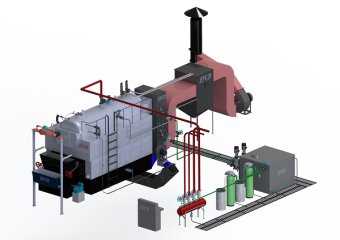
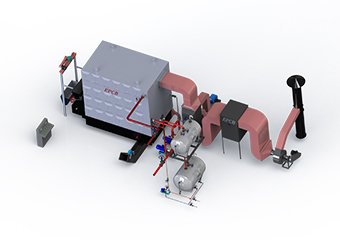
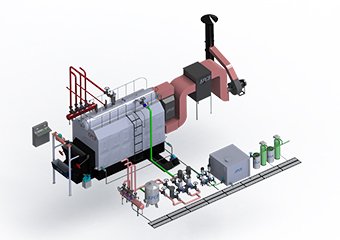
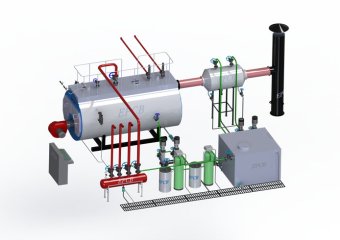
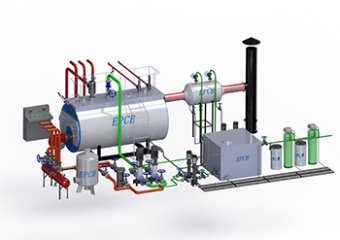
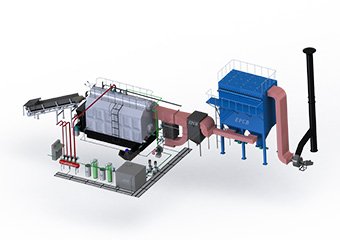
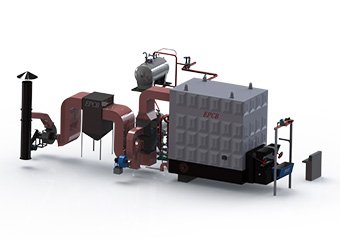





 Steam Boiler
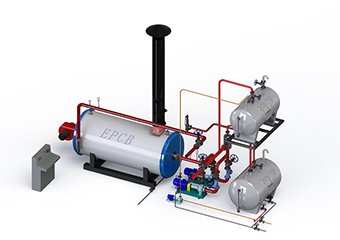
 Thermal Oil Boiler
 Hot Water Boiler
 Steam Boiler
 Thermal Oil Boiler
 Hot Water Boiler
 Steam Boiler
 Thermal Oil Boiler
 Hot Water Boiler
 Steam Boiler
 Hot Water Boiler