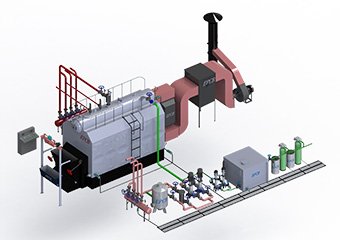
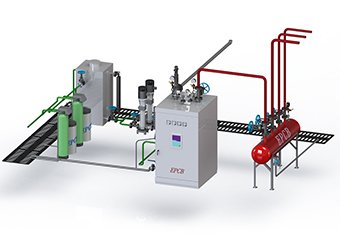
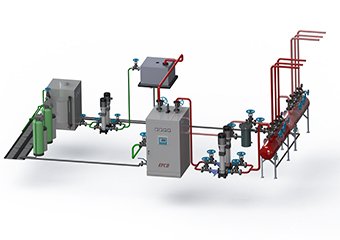


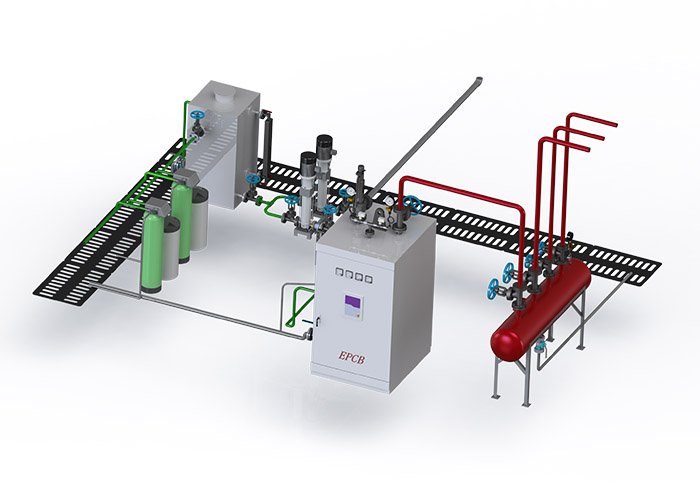


EPCB Boiler is a professional boiler manufacturer in China. Focus on industrial boiler production and sales for 68 years. Our main products are coal-fired boilers, oil gas boilers, biomass boilers, electric boilers, and power plant boilers.

-
Coal Fired Boiler
-
Steam Boiler
 Steam Boiler
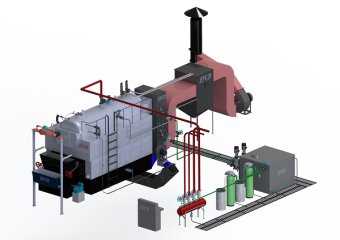
EPCB Coal Steam Boiler series, adopts new boiler design, with large heating surface. Advanced steam-water separation technology, high efficiency economizer and other auxiliary machines are adopted to save energy and protect the environment. The highest thermal efficiency can reach 84.61%.
More >> -
Thermal Oil Boiler
 Thermal Oil Boiler
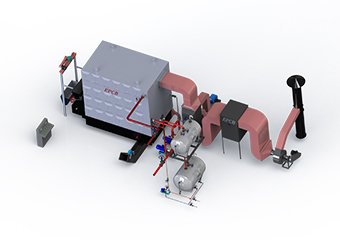
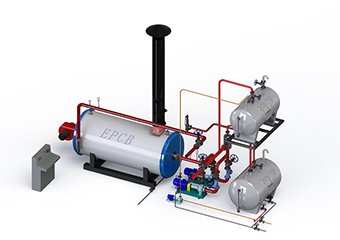
EPCB coal fired thermal oil boiler series, new structure, complete combustion, fast heating, less heat loss, automatic control system can better control the operation of the boiler. It can save at least 3% of the fuel cost every year.
More >> -
Hot Water Boiler
 Hot Water Boiler
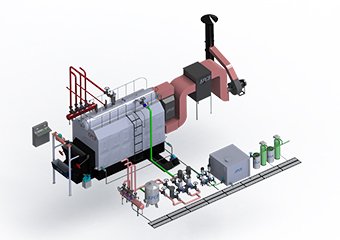
EPCB coal fired hot water boiler series, with the advantages of full combustion, high thermal efficiency and fewer pollution emissions, etc., has won many world standards certifications and has been recognized by the majority of users.
More >>
-
Steam Boiler
-
Oil/Gas Fired Boiler
-
Steam Boiler
 Steam Boiler
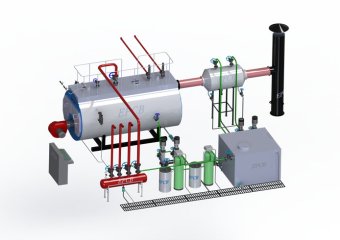
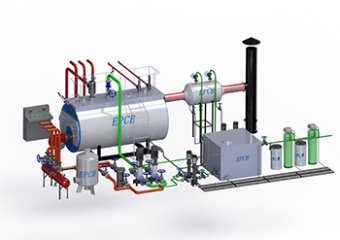
EPCB oil/gas fired steam boiler, with 3-pass wet back structure, equipped with automatic control system, is easy to operate, fully saves manpower costs, installs high-efficiency economizer, saves fuel costs, and is widely used in textile, printing and dyeing, food, chemical industry, medicine and other industries.
More >> -
Thermal Oil Boiler
 Thermal Oil Boiler
EPCB oil/gas thermal oil boiler, using imported Italian burner, burning more fully; The internal structure of the boiler with high heat transfer efficiency can raise the temperature more quickly. Adequate heating surface, small heat loss, complete testing instruments, with a safe and reliable, simple operation, wide application industry and other characteristics.
More >> -
Hot Water Boiler
 Hot Water Boiler
EPCB oil/gas fired hot water boiler series, equipped with original imported burner, combines corrugated furnace and threaded flue pipe perfectly, greatly increases the heating area, equipped with high-standard energy-saving equipment, the thermal efficiency of the boiler can reach more than 96%.
More >>
-
Steam Boiler
-
Biomass Fired Boiler
-
Steam Boiler
 Steam Boiler
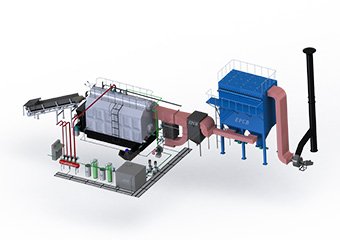
EPCB biomass fired steam boilers series, adopts threaded flue pipes with high heat transfer efficiency, three-pass boiler structure, reasonable water circulation circuit, strong radiation arch design, etc. to make the boiler more efficient, more energy-saving and more environmentally friendly.
More >> -
Thermal Oil Boiler
 Thermal Oil Boiler
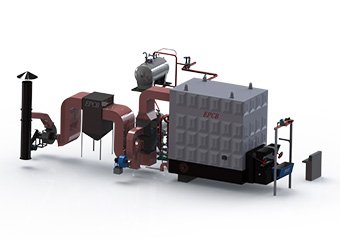
EPCB Biomass Thermal Oil Boiler series, has reasonable arrangement of radiation heating surface and convection heating surface, higher heat transfer efficiency and longer service life of boilers. Boiler adopts three-pass coil structure, closed cycle heating, compact structure, high degree of assembly, more safe to use.
More >> -
Hot Water Boiler
 Hot Water Boiler
EPCB Biomass Hot Water Boiler series, can use a variety of biomass fuels, and fully burned. Reasonable boiler structure and heating surface arrangement can effectively improve the thermal efficiency of the boiler! Now it is widely used in heating, bathing, laundry and other fields!
More >>
-
Steam Boiler
-
Electric Boiler
-
Steam Boiler
 Steam Boiler
Electric steam boiler is a new type of electric heating equipment which converts electric energy into heat energy. It is also manufactured in accordance with boiler safety supervision regulations and boiler industry standards in design. It has the advantages of high intelligence, fast heating, high thermal efficiency, no noise, no pollution and so on.
More >> -
Hot Water Boiler
 Hot Water Boiler
Industrial Electric Hot Water Boiler is a kind of mechanical equipment which uses electric power as energy and metal tubular electric heater to heat water, so that electric energy can be directly converted into heat energy to produce hot water. It is widely used in hotels, houses, laundries, swimming pools, hospitals and other places requiring heating supply.
More >>
-
Steam Boiler
- Successful Case
- Boiler Solutions
- Accessories&Parts