In modern industry, steam is a key resource. It acts as a heat source and a power medium. Steam is the "invisible engine" that keeps many plants running.
For example, thermal power plants use steam to drive turbines for power. Other industries also rely on it. This includes chemicals, food, textiles, and papermaking. They use steam for heating, cooking, drying, and sterilizing. The quality of this steam directly impacts production, energy use, and equipment life.
However, many companies focus only on a few things. They check if the boiler is making steam. They check if the pressure is high enough. They often overlook if the steam is dry, clean, and stable. Because of this, the boiler may seem to be working well. But other problems appear. These include pipeline water hammer, low heat exchange rates, and high energy use. Product quality can also fluctuate. The root cause is often the same: poor steam quality.
As an industrial boiler maker, EPCB has served many industries. We have worked with power generation, chemical, food, and textile plants for years. We know that delivering high-quality steam requires a broad approach. It involves water treatment, boiler design, and maintenance. It also includes operating habits and system management. Below, we will explain what steam quality is. We will also cover why it gets worse and how to improve it in a real plant.

What Exactly Is Steam Quality?
In engineering, steam quality has two main parts:
Steam dryness (degree of dryness): This is the amount of "truly dry saturated steam" in the total steam mass. Higher dryness means more usable heat energy per unit of steam. If steam contains many water droplets, it may seem fine. The pressure and flow might look good. But the useful energy for heat transfer is lower. This can also cause erosion and water hammer.
Steam cleanliness and stability: This refers to the impurities in the steam. Does it have too many dissolved solids or corrosion products? Does it contain non-condensable gases? These impurities affect how clean equipment surfaces are. They also impact heat transfer efficiency. It is also important to check if steam pressure and temperature are stable. Frequent changes are a key part of steam quality evaluation.
In many industrial boiler systems, steam quality problems develop over time. As the boiler runs, issues can build up. Feedwater quality may be unstable. Boiler blowdown might be insufficient. Pipeline insulation and condensate drainage may not be maintained. When this happens, steam dryness and cleanliness will slowly drop. This will eventually lead to higher energy use. It can also cause faster equipment damage and an unstable production line.
From this view, improving steam quality is not just a "nice-to-have" option. It is a basic task for smooth industrial production. It is essential for boosting overall productivity.

Why Do Many Boilers Struggle to Provide High-Quality Steam?
There are many reasons for unstable steam quality. We can group them into a few main categories:
Unstable temperature and pressure control: During boiler operation, temperature and pressure can spike. Pressure and load might also change greatly. This can cause the drum water level to shift wildly. This leads to steam–water carryover. Boiler water gets "carried out" by the steam. As a result, many water droplets mix into the steam. This naturally lowers its dryness.
Substandard feedwater and boiler water quality: Raw water may have high hardness. It might have high dissolved solids (TDS) content. If there are no good softening, desalination, and deaeration steps, problems will appear. Scale, foaming, and corrosion will form quickly inside the boiler. Scaling reduces heat transfer. Foaming and carryover directly cause boiler water to enter the steam. This makes steam quality worse.
Unreasonable boiler structure and system design: Some older boilers have smaller steam drums. They have simple steam–water separation devices. The steam pipelines may have poor slopes. There might be too few condensate drainage points and bad insulation. Even if the original design was adequate, it is hard to keep high steam quality. This is especially true over the long term in real-world conditions.
Inadequate routine maintenance and operational management: Heat transfer surfaces may not be cleaned for a long time. Blowdown might be done just by experience. Steam traps may not be checked for years. Operators might not focus on condensate removal and venting. In these cases, the steam system will slowly "bleed" in unseen ways. It might seem like production can continue. But energy use and failure costs are quietly rising.
Therefore, to ensure high-quality steam, you must focus on three areas. These are the equipment, water quality, and operational management. You should not just focus on the numbers on the boiler's nameplate.

High-Quality Steam Comes from Systematic Design and Management
To improve steam quality, EPCB suggests a full-chain approach. We recommend optimizing from the source to the end user. It is best not to focus on just one single point.
1. Overall Design Concept with the Boiler as the Core
At the boiler design stage, EPCB considers several factors:
The layout of the boiler body's heating surfaces.
The steam drum volume and steam–water separation structure. This helps to reduce the risk of steam–water carryover.
Matching the right water treatment and control systems for different steam systems.
Reserving spots for steam separators, condensate drains, and insulation. This makes it easier for users to expand and maintain the system later.
This design approach considers steam quality from the start. It helps avoid treating only symptoms later on.
2. Emphasizing the Coordination Between Water Treatment and Operation
Instead of just focusing on boiler efficiency, EPCB values teamwork. We believe in the coordination of water treatment with operation and maintenance. We configure softeners, reverse osmosis systems, and deaerators. We also use the right chemical agents. This keeps the boiler's internal water quality stable. It lays a solid foundation for high-quality steam.
At the same time, we stress this during service: water treatment and boiler maintenance are one concept. You must consider both together during daily operation. Only then can you truly improve steam quality.

Three Key Directions to Improve Steam quality
Based on many projects, we can sum up how to improve steam quality. The measures fall into three directions: water treatment, boiler maintenance, and operational best practices. Each direction has details worth exploring.
Water Treatment
Good water quality is the first step for high-quality steam. Without high-quality feedwater, you cannot expect the boiler to make clean steam consistently.
High-quality water sources and basic treatment: First, try to choose a better quality water source. Then, perform necessary pretreatment on the raw water. For water with high hardness or salt, you usually need to add:
Mechanical or multimedia filtration. This removes suspended solids and some colloids.
Softening equipment. This reduces calcium and magnesium ions to prevent scale.
Reverse osmosis (RO) or ion exchange systems. This further reduces dissolved solids content when possible.
These steps greatly lower the chance of scaling and foaming inside theboiler. They create good conditions for stable steam quality.
Combining deaeration, softening, and chemical treatment: Besides hardness and solids, dissolved oxygen is also a key factor. It affects the life of the steam system. Using thermal or vacuum deaerators with chemical oxygen scavengers helps. It can greatly reduce dissolved oxygen. This slows down boiler and pipeline corrosion. You can also add scale inhibitors, dispersants, and defoaming agents. This is done based on water quality. It further improves system reliability.
Water quality testing and data-based management: Water treatment is not a one-time job. We suggest setting up a routine water quality testing system. You should regularly record:
TDS, conductivity, and pH values of feedwater and boiler water.
Total hardness, alkalinity, dissolved oxygen, and other indicators.
By collecting and analyzing data, you can spot water quality changes early. You can then adjust treatment processes or chemical dosing in time. This prevents water quality changes from becoming steam quality problems.
Boiler Maintenance
Even with good water treatment, the boiler itself needs proper care. Without it, steam quality is still hard to guarantee.
Regular inspection and cleaning of the boiler interior: After a boiler runs for a long time, deposits will form. Scale, sludge, and corrosion products will build up on heating surfaces. They also collect inside the steam drum. Regular shutdown checks and cleaning can:
Restore heat transfer efficiency. This lets the boiler make enough steam with less fuel.
Reduce the risk of local overheating and metal fatigue. This extends the boiler’s life.
Lower the chance of foaming and steam–water carryover. This reduces steam entrainment at the source.
Implementing automatic blowdown: During boiler operation, dissolved solids in the water will build up. If blowdown is based only on experience, TDS levels will not be stable. This can cause steam to carry water. Or, it can lead to too much blowdown, which wastes heat and water. By using online monitoring and automatic blowdown devices, you can adjust blowdown. It adjusts based on actual water quality. This keeps boiler water in a healthier range. It helps maintain higher steam dryness over the long term.
Upgrading boilers and key components at the right time: Some boilers are old. They were designed many years ago. Even with good maintenance, they may have gaps in performance. This includes steam–water separation, thermal efficiency, and safety. In these cases, upgrading to a new, high-efficiency boiler is a good idea. Replacing key parts also helps. This includes steam–water separators, heating surface modules, or combustion controls. This often provides a fundamental improvement in steam quality and energy efficiency.
Operational Best Practices
Many complex steam problems often come down to human factors. Good habits and standard procedures can make the same equipment perform differently.
Strictly follow the design temperature and pressure ranges: The boiler's design already balances pressure, temperature, and load. If you operate long-term above the design pressure, problems arise. Frequent, large fluctuations are also bad.
On one hand, it increases the mechanical load on equipment and pipes.
On the other hand, it can trigger sudden changes in the drum water level. This causes large amounts of boiler water to be entrained in the steam.
By setting smart load adjustment strategies and control parameters, you can help. Let the boiler operate steadily within its design range. This can greatly reduce steam carrying water.
Control steam pressure: On the plant floor, a common idea is that "higher pressure is safer." From an energy and steam quality view, this is often not true. Too much steam pressure increases leaks and heat loss. It can also make process temperatures too high and hard to control. A better approach is to:
Reassess pressure needs based on your process.
Control the steam pressure at a level that is "enough but not excessive." This should be done while ensuring process safety and production capacity.
Removing condensate and air: Condensate and air are often overlooked. Yet, they are very destructive "invisible enemies" in steam systems. If condensate does not drain well or venting is poor, problems occur. Water and air will build up inside pipes and equipment.
This results in:
Temperatures that fail to meet process needs.
Part of the heat transfer surface being blocked by condensate, which lowers efficiency.
Pipeline water hammer and even safety accidents.
Therefore, you should check steam trap operation regularly. Repair or replace failed traps quickly. Also, install venting devices at high points or on key equipment. This ensures that air and non-condensable gases are discharged.
Strengthening operator training: Operator knowledge has a big impact on steam quality. Do they understand the steam system's basic principles? Do they know the right methods for start-up, shutdown, and load changes? Do they know how to handle abnormal conditions?
Regular training and sharing experiences can help operators learn:
What sounds, vibrations, and signs point to water hammer or wet steam.
What pressure, temperature, and TDS changes need attention.
How to judge if steam quality is getting worse based on records and site observations.
This way, problems can be found and fixed early. You will not have to wait for serious faults or accidents to happen.

System Evaluation and Continuous Monitoring
If you want good steam quality long-term, you need to manage it. Treat it as a number you can measure and track. Do not judge it just by feel.
Conduct Regular Steam System Audits
You can combine system audits with annual overhauls or tech upgrades. Invite the boiler maker or a professional firm to assess the steam system.
They should focus on:
Boiler operating parameters, separation conditions, and blowdown strategy.
The suitability and records of water treatment and chemical programs.
Pipeline insulation, condensate drain layout, and steam trap failure rates.
Steam supply quality, energy use, and stability of key steam-using equipment.
Through these audits, you can see where steam becomes "wet" or "dirty." This helps you create targeted improvement plans.
Establish Basic Monitoring and Data Recording
Even without complex automation, you can start with these "small actions":
Record boiler and feedwater quality indicators at fixed times.
Record fuel use, steam output, and steam use of typical processes.
Make brief records of steam trap inspection results, including failure types and fixes.
Once this data builds up, it will become clear. You will see when steam quality is better and energy use is lower. You will also see when problems occur often. Use this information to adjust process parameters and maintenance plans. This helps shift steam quality management from "experience-based" to "evidence-based."
When possible, you can add online monitoring and automation. This makes system status clearer and maintenance more proactive.
Conclusion
For a boiler to produce high-quality steam, it takes more than just enough pressure. It is the result of water treatment, boiler health, and operational management. You must do a good job with feedwater softening, deaeration, and TDS control. Keep the boiler interior clean and the blowdown reasonable. Combine this with standard control of operating parameters. Timely removal of condensate and air is also crucial. Ongoing maintenance of traps, insulation, and pipelines is key. Only then can steam be dry, stable, energy-efficient, and safe. This will reduce energy use and failures. It will also improve the efficiency and product quality of the entire production line.
FAQ
Q1: How can I tell if my boiler’s steam quality is good?
You can start with three things. First, look for on-site signs. Do pipelines often make "knocking" sounds? Do exhaust ports show clear water carryover? Does heating equipment warm up slowly? Second, look at data. Are boiler TDS, pressure changes, and specific fuel use too high? Are they increasing year by year? Third, check equipment condition. Are steam trap failure rates high? Do heat exchangers scale up quickly? If you see several of these signs, it usually means there are problems with steam dryness and quality.
Q2: Do I have to replace the boiler to improve steam quality?
Not always. In many plants, the main issues are not the boiler itself. They are poor water treatment, bad blowdown, poor insulation, and failed steam traps. It is usually best to start with water quality, automatic blowdown, trap surveys, and insulation repairs. After these basic tasks are done, you can see if you need to upgrade the boiler or key parts. This approach makes your investment more manageable and shows results faster.
Q3: How important is water treatment for improving steam quality?
It is the "foundation." If you do not control hardness, dissolved solids, and oxygen in feedwater, problems will arise. Scale, foaming, and corrosion will develop quickly in the boiler. This will cause steam carryover and lower efficiency. Using softening, reverse osmosis, deaeration, and chemicals helps keep water quality good. This can reduce scaling and steam–water carryover. It also makes it easier to control TDS and blowdown. This is one of the most cost-effective ways to improve steam quality.
Q4: We use steam traps, so why does our steam system still have problems?
Having steam traps does not mean they are working well. Common issues include wrong selection (unsuitable load or pressure). They could be installed poorly (bad pipeline slope or condensate collection). Many traps may also be failing or leaking after years without checks. It is best to set up a regular inspection plan. Test traps in key areas and categorize the results. You may need to reassess trap placement and models. This often greatly reduces water hammer, condensate buildup, and energy waste.
Q5: If we want to start a “steam quality improvement project,” where should we start?
We suggest you "diagnose first, then invest." First, assess your water quality, boiler records, pipeline insulation, and steam trap conditions. Find the main problem areas. Second, focus on low-cost but high-return measures. This includes optimizing water treatment, automating blowdown, improving traps, and repairing insulation. Third, based on the assessment, decide if you need to upgrade the boiler or add other equipment. This way, you can control the budget and ensure every investment shows clear results.
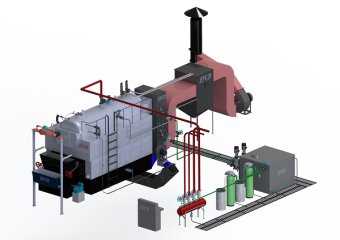
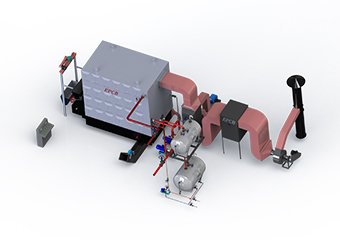
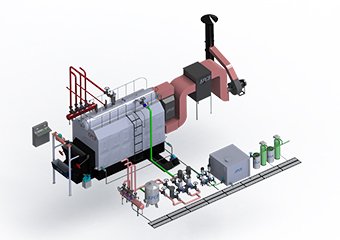
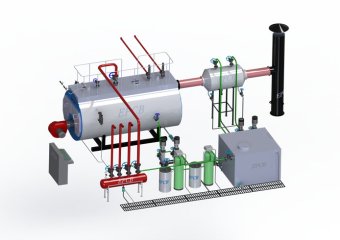





 Steam Boiler
 Thermal Oil Boiler
 Hot Water Boiler
 Steam Boiler
 Thermal Oil Boiler
 Hot Water Boiler
 Steam Boiler
 Thermal Oil Boiler
 Hot Water Boiler
 Steam Boiler
 Hot Water Boiler