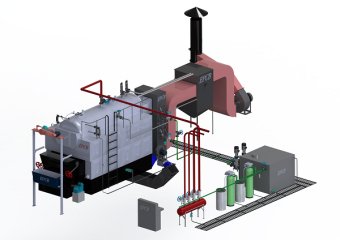
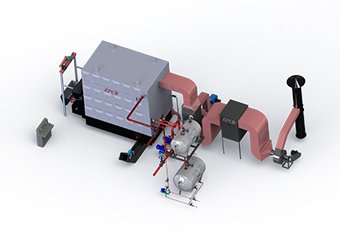
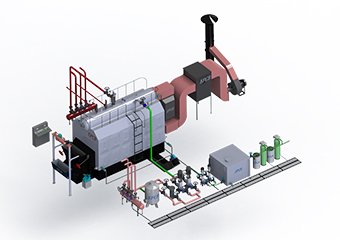
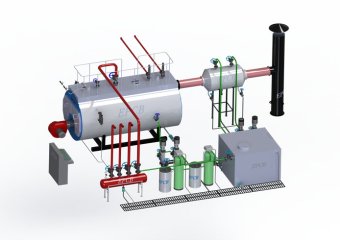


Recently, EPCB boiler engineers visited a textile manufacturing company in Colombia for a customer follow-up visit, conducting an on-site inspection of an EPCB 10-ton coal-fired steam boiler that had been in operation for approximately ten years. This visit not only allowed the engineers to understand the overall condition of the equipment but also enabled the team to further understand the customer's actual user experience and solidify the long-standing cooperative relationship between the two parties.
After approximately ten years of operation, the boiler remains in excellent overall condition, and the customer is satisfied with the equipment's performance and the related support provided by EPCB. For EPCB, this follow-up visit was not only a routine customer follow-up but also an important opportunity to gain a deeper understanding of the equipment's actual operating conditions, accumulate field application experience, and practice its long-term service philosophy.
This case study of boilers in the Colombian textile industry demonstrates EPCB's understanding of industrial boiler manufacturing and services: combining rational equipment design, rigorous manufacturing quality, professional technical support, and long-term customer service to create continuous value for customers.
Reliable Industrial Steam Supply Supports Textile Manufacturing in Colombia
Heat energy is essential to many stages of production in the textile industry. Depending on the specific production process, steam can be used for fabric dyeing, washing, finishing, heating, and other heat treatment processes. A reliable industrial steam boiler system can provide the necessary heat for these processes, helping companies maintain stable process conditions.
For textile factories, if the boiler selection is unreasonable or the steam system is unstable, they may face problems such as fluctuating steam supply, production interruption, increased maintenance pressure, and difficulty in coordinating heat load between different production processes.
Therefore, selecting a suitable industrial boiler cannot be based solely on comparing rated capacity or initial purchase price. Enterprises also need to comprehensively consider actual steam demand, operating pressure, fuel supply, water quality, boiler room layout, maintenance requirements, and the expected service life of the equipment.
In some industrial markets, coal-fired steam boilers remain a viable option if coal supply is stable and overall operating economics are reasonable. However, their applicability also depends on local fuel characteristics, environmental regulations, combustion system configuration, ash disposal methods, flue gas emission control requirements, and the user's daily operation and management capabilities.
For the Colombian textile manufacturing company in this case, the EPCB 10-ton coal-fired steam boiler became an important part of the factory's production infrastructure. Approximately ten years later, the equipment remains in good overall condition, and the customer has given it positive feedback. This provided both parties with a valuable opportunity to review the equipment's long-term operational performance and exchange practical experience.
EPCB 10-Ton Coal-Fired Steam Boiler for Textile Manufacturing in Colombia
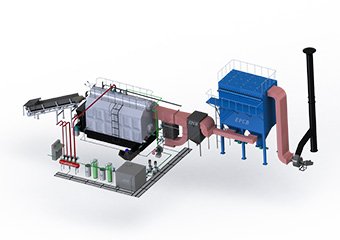
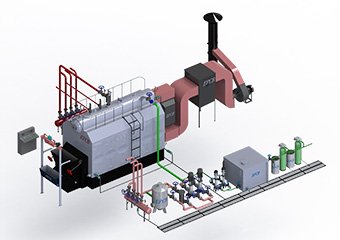
The customer purchased and installed an EPCB 10-ton coal-fired steam boiler to meet the industrial steam demand of the plant. The boiler, with a rated evaporation capacity of 10 tons per hour, is designed based on specific rated operating conditions; actual steam output depends on operating pressure, feedwater conditions, fuel characteristics, and other design and operating factors.
In textile production, steam demand can vary depending on production plans, equipment utilization rates, and the requirements of different processing steps. Therefore, a properly matched boiler system needs to be able to provide the required steam under the factory's predetermined operating conditions, while maintaining appropriate combustion, water level control, pressure regulation, and safety protection.
The operational performance of a coal-fired boiler is also closely related to the matching degree between the combustion system and the fuel. The calorific value, moisture content, ash content, and particle size of coal can all affect the combustion process and operational stability. Therefore, proper fuel management, regular cleaning, water treatment, and standardized maintenance are crucial for the long-term stable operation of the boiler.
For EPCB, providing industrial boilers is not just about delivering a piece of equipment; it's about considering the relationship between the boiler and the actual application scenario. Rated capacity, operating pressure, fuel conditions, auxiliary equipment, and installation requirements should all be comprehensively evaluated as part of a complete technical solution.
This project in Colombia illustrates that the value of a boiler cannot be measured solely from the initial installation phase. The overall condition of the equipment after long-term operation, its adaptability to the customer's production needs, and the technical support available during use are also important factors in evaluating the long-term value of a boiler.
EPCB 10-Ton Coal-Fired Steam Boiler Maintains Good Condition After Ten Years of Operation
One of the most noteworthy features of this project is the long-term operation of the boiler.
When EPCB engineers returned to the textile factory in Colombia, the 10-ton coal-fired steam boiler had been in operation for about ten years and was still in good overall condition.
For industrial customers, the long-term operational status of equipment is crucial. Boiler replacement often involves significant capital investment, engineering coordination, installation and construction, production planning, and subsequent commissioning. Therefore, maintaining existing boilers in a suitable operating condition through proper maintenance, while adhering to safety, technical, and regulatory requirements, helps companies to more scientifically plan maintenance work and capital expenditures.
Of course, the continued safe operation of an industrial boiler cannot be judged solely by its appearance. Its suitability for continued operation also depends on the integrity of pressure-bearing components, water quality, combustion performance, operating records, the status of safety devices, inspection results, and compliance with relevant regulations.
The excellent overall condition observed during this site visit is encouraging and provides a real-world application case for EPCB, demonstrating that an EPCB boiler can maintain its excellent overall condition after approximately ten years of use.
It is important to recognize that the long-term performance of a boiler is the result of a combination of factors. Manufacturing quality and sound engineering design are important foundations, while proper installation, standardized operation, preventative maintenance, water quality management, and timely replacement of worn parts also contribute to maintaining reliable equipment operation.
EPCB values the synergy between equipment quality and standardized operation. Our goal is not only to manufacture a boiler that meets initial technical requirements, but also to help customers establish reliable thermal energy systems that support their long-term production.
EPCB Engineers Conduct an On-Site Boiler Inspection and Customer Follow-Up in Colombia
For industrial equipment exporters, cooperation with customers should not end after equipment shipment or commissioning. Continuous communication helps manufacturers understand the equipment's performance under actual operating conditions and also provides customers with the opportunity to directly exchange usage experience with technical personnel.
During this return visit to Colombia, EPCB engineers revisited the textile factory to conduct an on-site inspection of the long-operational boiler. This visit allowed the team to gain a direct understanding of the equipment's overall condition, re-establish face-to-face communication with the client, and further understand the equipment's operational history over the years.
For industrial boilers, on-site visits are particularly meaningful because the operating conditions of the equipment may change over time. Plant production loads may be adjusted, fuel quality may fluctuate, and some components may require new maintenance as operating time increases.
On-site visits can also help both parties discuss practical issues that are not easily understood through remote communication, such as daily operation methods, routine maintenance arrangements, water treatment processes, fuel management, and technical questions that may arise during long-term equipment operation.
For EPCB, on-site customer visits are a crucial component of establishing long-term, effective service relationships. By understanding boiler operation on-site, the company can better connect equipment design with practical application, further understand customer needs, and identify opportunities to provide ongoing technical support.
This follow-up visit to Colombian textile companies embodies this service philosophy: EPCB not only focuses on equipment delivery and installation at the initial stage of a project, but also values the actual performance of the equipment and customer experience years after it has been put into use.
Preventive Maintenance for Coal-Fired Steam Boilers Ensures Long-Term Operational Reliability
Although the Columbia boiler remains in good overall condition after approximately ten years of operation, long-term reliable operation cannot rely solely on the equipment itself. Industrial boilers operate in complex thermal, mechanical, and chemical environments, making regular inspections and preventative maintenance crucial.
For coal-fired steam boilers, the following aspects deserve particular attention.
Combustion system and fuel management
Stable fuel quality and appropriate combustion settings help maintain stable heat release and efficient operation. Variations in coal moisture, calorific value, ash content, and particle size can all affect combustion conditions and therefore need to be considered when evaluating operational performance.
Combustion parameters should be adjusted by qualified personnel in accordance with boiler design, operating instructions and applicable safety requirements.
Heated surface maintenance
Ash and carbon buildup can reduce heat transfer efficiency and cause flue gas temperatures to rise. Regularly inspecting and cleaning the heating surfaces according to the manufacturer's requirements and safety maintenance procedures helps maintain the boiler's heat transfer performance.
Boiler water quality management
Poor water quality can cause scaling, corrosion, and other problems that affect pressure-bearing components and heat transfer performance. Establishing appropriate water treatment programs and implementing necessary chemical controls and regular monitoring can help reduce these risks.
Safety devices and operating instruments
Pressure gauges, water level indicators, safety valves, alarm devices, interlocking systems, and other protective equipment should be inspected and maintained according to applicable standards and manufacturer recommendations. Necessary tests and inspections should be performed by qualified personnel.
Flue gas treatment and ash management
Coal-fired boiler systems require appropriate ash and slag treatment and flue gas emission control facilities. Dust removal equipment and other environmental control systems should be maintained in accordance with design requirements and local regulations.
These maintenance measures are crucial regardless of the brand of industrial coal-fired steam boiler used. Long-term operational performance depends not only on the initial engineering design of the equipment but also on the quality of operation and maintenance throughout its entire service life.
For customers, a comprehensive maintenance plan helps protect their equipment investment. For EPCB, providing appropriate technical guidance and maintaining communication with customers are also important components of supporting the proper operation of boilers.
EPCB Boiler: Proven Quality and Long-Term After-Sales Service for Industrial Customers
This return visit to the Colombian textile factory provided EPCB with an opportunity to reconnect with a long-standing customer. The factory has been using an EPCB 10-ton coal-fired steam boiler for approximately ten years.
The equipment is currently in good overall condition, and the customer is satisfied with the equipment and related services, making this follow-up visit a meaningful exchange in the long-term cooperation between the two parties.
This experience further illustrates that evaluating the success of an industrial boiler project cannot solely rely on its initial performance upon equipment delivery; it also requires attention to subsequent technical support, communication quality, and long-term user experience.
For EPCB, professional service doesn't end with equipment shipment, installation, or commissioning. Maintaining ongoing contact with customers, understanding their actual operational status, and providing appropriate technical support are always crucial components of building long-term partnerships.
Every industrial plant has different production needs, fuel conditions, and operational goals. EPCB believes that fully understanding these differences and proactively responding to customer needs through appropriate engineering design and professional services is key to supporting customer growth in the long term.
The Columbia textile boiler case perfectly embodies this concept. Approximately ten years after the equipment was put into operation, EPCB engineers returned to the customer's factory to understand the long-term operating condition of the equipment and continue in-depth communication with the customer.
EPCB boilers – with professional engineering technology, reliable equipment quality and long-term service, help industrial production operate stably.
Are you looking for a suitable industrial steam boiler for your textile factory?
If your textile manufacturing plant requires a reliable industrial steam boiler, EPCB can assist in assessing application needs and exploring suitable boiler solutions based on your steam capacity, operating pressure, available fuels, installation conditions, and local regulations.
Whether you're planning to build a new boiler system, replace existing equipment, or want to assess the current operation of your steam system, our team can communicate with you about your specific technical needs and assist you in determining the next steps.
Contact EPCB Boilers to discuss your industrial steam needs and explore boiler solutions tailored to your factory's specific operating conditions.