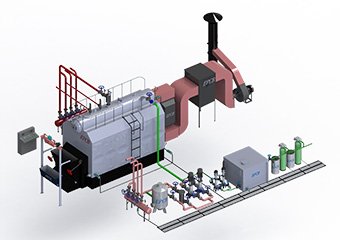
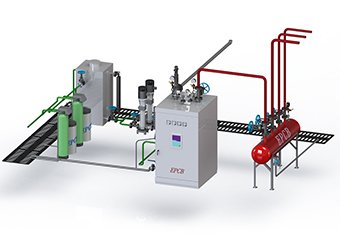
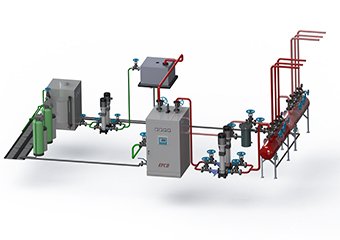
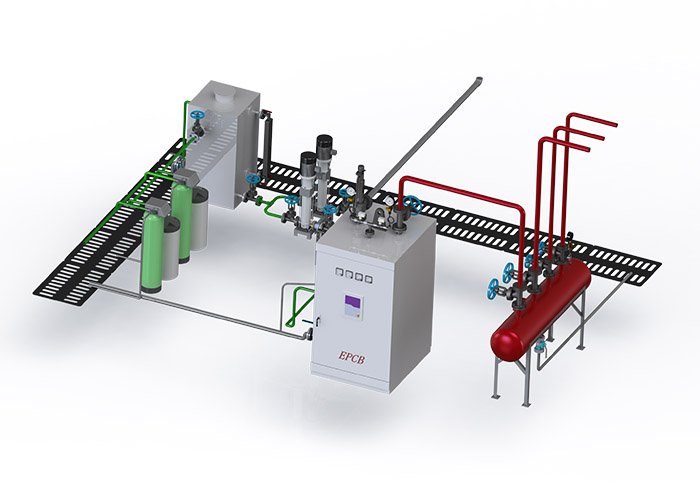
EPCB Boiler is a professional boiler manufacturer in China. Focus on industrial boiler production and sales for 68 years. Our main products are coal-fired boilers, oil gas boilers, biomass boilers, electric boilers, and power plant boilers.

Industrial boilers rarely fail from one issue. They fail when fuel costs rise, uptime risks grow, and compliance pressures build. An oil to gas boiler conversion can ease all three. But it works only if site conditions allow the change.
At EPCB Boiler Company, we design and make industrial boilers for real use. When a facility looks at oil-to-gas conversion, we focus on real results. These include fuel-cost risks, combustion stability, uptime risks, and emissions readiness. In many projects, facilities cut fuel costs a lot after the switch. This happens with good price and efficiency starts. But the true result depends on your load profile and local fuel costs.
This guide focuses on benefits for industrial facilities. It skips residential systems. It explains what gets better after the switch. It shows how to figure payback without guesses. It lists what must be true on-site for benefits to happen.
![]()
Industrial sites convert when oil turns into a business risk. It stops being just an energy cost. Drivers include cost swings, supply risks, and stricter emissions rules.
Fuel buying is one reason. Oil prices and delivery can change fast. Facilities feel this during busy times. Gas prices can shift too. But many plants like the ease of a metered pipe supply.
Reliability is another reason. Oil systems have extra failure points. These are not in the boiler itself. Tank dirt, sludge, filter clogs, and delivery stops can halt heat at bad times.
Many facilities want cleaner burning. Gas firing cuts soot issues. It makes combustion control more steady. This leads to smoother runs. It means fewer surprises in inspections or audits.
![]()
Core benefits fit into four groups. These are cost, combustion cleanliness, operations, and risk cuts. Check all four. A conversion based only on cheap fuel can fail if plant limits are missed.
Natural gas often costs the same as oil per heat unit. But the big gain is cutting avoidable losses. Cleaner burning keeps heat-transfer surfaces near design state. Stable firing cuts cycling losses in hot water systems. It improves steadiness in process steam.
Savings claims need a baseline. A bad oil system, poor burner tuning, and dirty surfaces make the before case look worse. A good savings estimate starts with measured baseline. Do not use a sales number.
Gas burning makes far less soot and particles than oil. This cuts fouling, smoke, and deposit maintenance. In many areas, gas firing eases compliance. But rules depend on local laws and your facility type.
The real gain for teams is predictability. Cleaner burning keeps stack conditions stable over time. This makes tracking and reporting easier.
Oil systems need constant checks on nozzles, filters, strainers, tanks, and lines. Gas systems use a gas train and safety shutoffs instead. Daily fuel tasks drop.
You cut spill risks and tank work. Removing oil storage ends tank checks and leak risks. It frees space and simplifies boiler rooms.
Modern gas burners give stable burning over a wide range. Pick and tune them right. In industrial use, better control cuts temperature swings, pressure changes, and trips.
Reliability gains need careful claims. Some facilities see fewer fuel stops after gas. But results depend on gas quality, pressure stability, and system design.
Benefit area | What typically improves after switching to gas | What to verify (so it’s real) |
Fuel economics | Lower or more predictable fuel spend for many sites | Baseline efficiency, fuel prices, annual run hours |
Combustion cleanliness | Less soot, fewer deposit-driven efficiency losses | Stack readings trend, visual condition of passes |
Maintenance load | Fewer oil-side service items | Planned maintenance scope and parts list |
Operational risk | Less dependence on deliveries and tank condition | Gas supply capacity/pressure and redundancy plan |
![]()
Figure payback from your measured heat demand. Use true baseline efficiency. Skip generic percentage savings. If you lack a baseline, set one up first.
A simple way uses two trusted numbers. These are annual useful heat output and fuel cost per heat unit.
1. Estimate annual useful heat output (or steam energy). Use fuel bills plus measured boiler efficiency. Or use steam flow and enthalpy if metered. Measure more to assume less.
2. Convert fuel cost into “cost per useful heat.” For each fuel: Cost per useful heat ≈ Fuel price ÷ (Fuel energy content × seasonal efficiency) You need no perfect energy content for a good choice. Use consistent assumptions for both fuels.
3. Include the conversion’s real costs. A good payback covers equipment, downtime, commissioning, and safety needs. Skip downtime and you boost ROI too much.
4. Run a sensitivity check. Change three inputs: gas price, oil price, and efficiency gain. If payback works only in one case, it lacks strength.
Input | Where you get it | Why it matters |
Annual run hours / seasonal load | BMS logs, production records, operator logs | Payback is driven by usage, not nameplate size |
Baseline oil performance | Combustion test, stack temp, O₂/CO, maintenance condition | Baseline determines “how much upside exists” |
Expected gas performance | Burner spec, turndown, commissioning targets | Prevents optimistic efficiency assumptions |
Fuel price structure | Procurement contracts, invoices | Real prices include delivery, fees, and variability |
Downtime cost | Production planning | Often the hidden payback killer |
As a maker, we see best money results with steady demand. Add consistent hours and a costly oil system baseline. Payback drops with big gas upgrades or seasonal runs.
![]()
![]()
A conversion gives benefits only if key checks pass. These cover fuel supply, system fit, and safe venting.
Your gas supply must meet peak demand at needed pressure. It needs good stability. If pressure is low, burner work and range suffer. Trips can rise.
Capacity goes beyond line size. It includes regulators, pressure drops, and shared use in peaks. A gas utility or contractor checks this. But the facility must know risks.
Some projects replace the whole boiler. Others adapt existing gear. It depends on design, condition, and rules. The key is if combustion, heat surfaces, controls, and safety support gas at your conditions.
For reliability, burner choice matters as much as the boiler. Turndown, flame stability, and control links set how it handles load changes.
Gas firing can change flue-gas heat and moisture. Your stack and vents must fit the new profile. Combustion air must be enough and meet codes.
Do not skip ventilation. Low air causes unstable burning, high CO risk, and poor efficiency. Good design checks air paths, room pressure, and interlocks.
Industrial gas systems need a good gas train, shutoffs, and interlocks. Your scope should link the boiler to plant controls and alarms.
If uptime matters, define good monitoring. Remote checks help if linked to alarms and maintenance plans.
A good conversion follows a set sequence. The order protects safety. It makes performance easy to check.
First is assessment and scope setup. This locks your load profile. It finds limits. It sets what stays or changes. It defines acceptance rules to avoid fights later.
Next is installation and integration. This adds gas train parts, burner and control links, and venting or air updates for safety.
Last is commissioning and handover. Here benefits turn real. Commissioning turns installed gear into stable work. Good handover includes training, docs, and maintenance plans.
We skip a step-by-step build guide. Each site differs. Key is your plan has measured baseline and after state.
If you cannot prove performance, you cannot back the spend. Commissioning must give documented before and after. The plant uses this for ongoing tweaks.
Your team tunes the burner for stable work over the firing range. Key readings include O₂, CO, stack heat, and flame checks.
Excess air affects efficiency and emissions. Too much boosts stack losses. Too little raises CO and instability. Good tuning seeks stable, safe balance over loads.
You want a practical commissioning package. Skip the shelf binder. It should have setpoints, alarm limits, safety checks, and trend tips.
For industrial users, define weekly or monthly checks. Track stack heat, O₂, and fuel per output. This spots fouling, drift, or issues early.
A conversion that saves fuel but adds trips fails. Commissioning checks shutdowns, interlocks, and restarts. Train operators on normal looks to catch odd things early.
At EPCB, we see commissioning as the link from design to plant reality. It checks if boiler and burner fit the load.
Oil to gas boiler conversion can boost industrial facilities. It works when basics align. Strong benefits come from fuel costs, cleaner burning, and less supply risk. Commissioning proves it.
The choice skips generic savings. It uses measured baseline, gas capacity, and real hours and downtime views. With clear inputs, conversion is a safe investment.
If you consider oil-to-gas conversion, share fuel use, hours, steam or water demand, and gas pressure/capacity. At EPCB, we give a custom recommendation. We scope a boiler solution for your targets.
Main benefits are lower fuel-cost risks, cleaner burning, less oil maintenance, and easier fuel handling. Benefit size depends on baseline oil work and local fuel costs. High-hour facilities see clear payback.
Savings can be big. Some sites cut fuel spend a lot with good baselines. But no percentage fits all. It depends on gas vs oil prices, baseline efficiency, run hours, and commissioning. Use measured baseline and sensitivity check to estimate safely.
Not always. Some replace the boiler. Others adapt parts based on condition, fit, and rules. An expert check confirms burner fit, control links, venting needs, and safety setup.
Timelines differ. Most take weeks to months. This covers engineering, buying, install, and commissioning. Gas upgrades, permits, and downtime can add time. Lock scope early to cut delays.
No. But the maintenance changes. Gas cuts soot cleaning and oil tasks. You still need inspections, safety checks, and combustion tests for stable work.
Start with commissioning results. Include stable readings over loads. Track indicators like stack heat trend, O₂ trend, and fuel per output. Verification is ongoing, not one test.
Send You Inquiry
Give You Boiler Solution
Place The Order
Get Your Boiler