Cost of Converting an Oil-Fired Industrial Boiler to Gas (EPCB Guide)

December 22, 2025

Decisions to switch fuel in industrial plants are rarely about age. They usually start with operating costs, supply stability, or compliance pressure. Uptime risk is also a key factor.


At EPCB, we design and customize industrial boiler systems. We often see oil-to-gas projects in steam and hot-water plants. The cost question is always important. But the real answer depends on the project's scope, not just the boiler itself.


This guide focuses on industrial oil-fired boilers. It explains what "conversion" really means and what drives the cost. It also shows how to get a quote that won't increase during installation.


What Does “Convert an Oil Boiler to Gas” Mean for an Industrial Plant?

What Does “Convert an Oil Boiler to Gas” Mean for an Industrial Plant?


An industrial oil-to-gas conversion changes the combustion and fuel system. It is not just swapping a burner tip. The process brings the boiler back to safe, code-compliant operation.


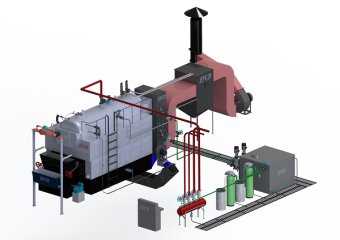
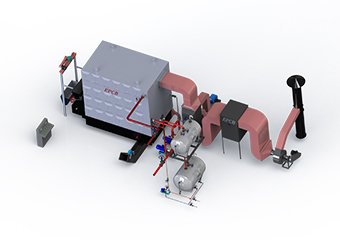
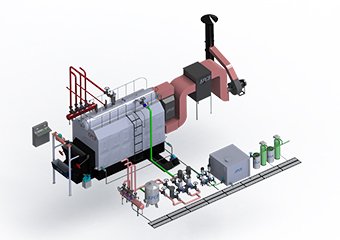
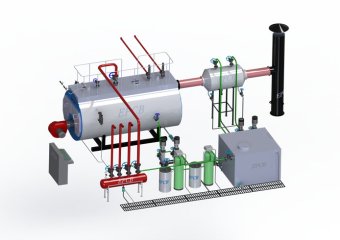
You remove the old oil burner and install a gas or dual-fuel burner. You also add a complete gas train. This includes safety shutoff valves, regulators, and control interlocks. You must also check the venting, combustion air, and safety devices. This ensures the boiler runs reliably.


Some plants can convert an existing boiler shell. Other plants should replace the entire boiler. This is true if the boiler's condition, turndown, or efficiency goals make conversion a poor choice.


Main Conversion Paths for Industrial Boilers

Main Conversion Paths for Industrial Boilers


Choosing the correct path is the first step. If you choose the wrong one, the budget will not be stable.


Gas Burner Retrofit – Keep the Boiler, Change the Burner


A burner retrofit is often the fastest route. This works well if the boiler's pressure parts are in good shape. The existing unit must also still meet your capacity needs.


This approach focuses spending on the burner, gas train, and controls. It also includes venting adjustments and commissioning. It is cost-effective only if the boiler shell, tubes, and refractory are healthy. The updated system must also meet safety and emissions rules.


Full Boiler Replacement – Replace the Oil Boiler With a New Gas Boiler


A full replacement is often the better choice. This applies if the current boiler is near its end-of-life. It also makes sense if it has reliability issues. Or if it cannot meet your needed turndown and efficiency.

Replacement is also a good idea if your plant needs a different design. For example, you might switch from a fire-tube to a water-tube boiler. It is also wise if you want modern controls from the start. The upfront cost is higher, but it reduces hidden risks. These risks include repeated shutdowns, unstable combustion, and constant maintenance.


Dual-Fuel Upgrade – Add Gas Without Losing Oil Backup


A dual-fuel upgrade is common when steam is a critical utility. Plants use this to ensure backup if the gas supply is cut off. This gives you redundancy.


A dual-fuel system typically costs more than a gas-only retrofit. You are paying for a more complex burner and fuel system logic. The benefit is operational resilience. It also allows easier fuel changes during price swings or supply issues.


What Does an Industrial Oil-to-Gas Conversion Typically Cost?


Most industrial oil-to-gas boiler projects cost from tens to hundreds of thousands of dollars. The scope is large. It is dominated by fuel supply work, safety controls, and venting. Downtime limits also add to the cost.


A small project can be on the lower end. This happens when gas is already available at the right pressure. The existing boiler must also be a simple candidate for conversion. A larger plant's costs can rise quickly. This occurs if the project needs gas service upgrades or stack changes. Electrical work, emissions testing, or temporary steam also increase costs.


For a practical budget, use two layers. First, estimate the core conversion package. This includes the burner, gas train, controls, and commissioning. Second, add the site-driven costs. This covers gas supply work, venting, permits, and oil system removal. It also includes downtime costs.


In older facilities, we suggest adding a 10–15% contingency. This covers unexpected scope growth found during the project. This contingency is not extra padding. It keeps the project from stopping mid-installation.


Line-by-Line Cost Breakdown for Industrial Projects

Line-by-Line Cost Breakdown for Industrial Projects

A strong quote works like a checklist. It shows where money goes and what is included. It also clarifies what might trigger extra charges.


Below is a cost framework you can use to compare proposals. The ranges are broad. This is because industrial plants differ in size, fuel supply, and rules. However, the cost drivers are always the same.


Cost Component

What It Covers on an Industrial Boiler Project

Why It Moves the Budget

Burner package + gas train

Burner, regulators, safety shutoffs, valves, strainers, pressure switches, leak test setup, ignition parts

Capacity, turndown ratio, required safety design, and fuel pressure conditions

Controls integration

Flame safeguard, interlocks, alarms, purge logic, BMS/PLC connection, remote monitoring hooks

Existing controls complexity and the level of integration your plant requires

Gas supply work

Meter/regulator station changes, new piping runs, supports, isolation, pressure testing

Distance, pipe routing difficulty, required gas pressure and flow, utility limits

Venting/stack modifications

Stack liner, draft control, condensate management, breach changes, combustion air setups

Gas combustion creates different flue gas behavior than oil, especially in older stacks

Mechanical tie-ins

Steam/hot-water piping changes, valves, pumps, water treatment connections, bypasses

Space constraints and how much the existing system must be reworked

Electrical work

Power feeds, panels, wiring, sensors, E-stops, gas detection, labeling

Existing electrical condition and local code requirements

Commissioning + tuning

Combustion setup, O₂/CO checks, safety trip tests, functional testing, documentation

Time onsite and the performance targets you set (stability, turndown, efficiency)

Oil system decommissioning

Tank/piping isolation, removal or abandonment, cleaning, disposal, environmental handling

Location (above-ground vs. underground), access, and local disposal rules

Permits + inspections

Mechanical permits, pressure system inspection, gas inspection, fire authority needs

Local rules and inspection scheduling

Downtime mitigation

Temporary boiler rental, temporary piping, weekend work, staged cutover

How expensive it is for your plant to be without steam or heat


This table is not a substitute for a site survey. It is meant to help you avoid "one-line quotes" that hide risk.


Natural Gas vs Propane for Industrial Boilers


Your fuel choice changes the project cost because it changes the infrastructure. The best choice is one your site can supply safely and consistently. It must also provide the pressure your burner needs.


Natural gas often wins on simplicity. This is true when a reliable utility supply is already there. You avoid onsite fuel storage and delivery logistics. This matters in plants that run all the time.


However, natural gas can be expensive upfront. This happens if your facility needs a new service or a meter upgrade. Major onsite piping work can also add to the cost. In some places, utility timelines become a "cost" by delaying the project.


Propane is often chosen when a plant is outside the gas grid. It is also used when supply redundancy is key. The tradeoff is that propane adds storage, vaporization, and delivery scheduling.


Propane projects also have extra installation decisions. This includes tank placement and site safety setbacks. These choices affect both initial cost and ongoing risk management. This is especially true in high-demand seasons.


We keep this decision practical for our clients. If your plant has natural gas for other equipment, extending it is usually the cleanest path. This assumes the service has enough capacity. If gas is not available or timelines are long, propane can work. But it must be engineered as a complete fuel system.


Project Steps, Timeline, and How to Avoid Surprise Costs


You can avoid surprises by checking key details upfront. Verify gas supply capacity, venting needs, and controls integration before ordering equipment.


The project usually starts with a site assessment. This confirms the boiler's duty, load profile, and turndown needs. It also checks physical limits around the burner. This step also confirms if the existing boiler is a good candidate. Or if replacement is a safer investment.


Next comes fuel supply confirmation. Gas supply issues are where many budgets break. This happens when real line sizing and pressure do not match assumptions.


Permits and approvals should happen in parallel, not at the end. Late permit work can turn a short outage into a long one. This is true if your area requires specific inspections or documents.


Installation follows a strict sequence. First, isolate and decommission oil parts. Then, complete mechanical and electrical work. Next, finish gas piping and testing. Finally, proceed to commissioning. Commissioning is not a formality for industrial boilers. It is where you prove safety and stability under real conditions.


Downtime planning is a hidden cost factor. If production cannot stop, you may need a staged cutover or weekend work. You might also need temporary steam. These choices often cost more than the burner itself.

Use this checklist to compare quotes and prevent change orders:


· Confirm the scope: retrofit, replacement, or dual-fuel. List what is included.

· Specify required gas pressure and flow. Confirm if the quote includes meter upgrades and testing.

· Define the venting approach. State if stack liner or draft work is included.

· Clarify controls integration. Is it a stand-alone safeguard or a full BMS/PLC tie-in?

· Require commissioning details: combustion readings, safety trip tests, and a clear acceptance standard.

This checklist is short by design. It focuses on items that most directly drive cost and schedule.


Conclusion


An industrial oil-to-gas boiler conversion is a major project. It involves the combustion system and plant infrastructure. It is not a simple fuel swap. When the scope is defined well, the budget is predictable. Commissioning is faster, and the plant gets a stable boiler room.


At EPCB, we approach these projects from the engineering side. We manufacture and customize industrial boilers. If you build your plan around fuel supply, venting, and controls, you can decide with confidence.


FAQ

1.Can we convert the burner only, or do we need a full boiler replacement?


A burner retrofit can be the right move if the pressure parts are sound. The boiler must also still match your duty and turndown needs. If the boiler has reliability issues or mismatched capacity, replacement is usually safer.


2.What items most often create change orders during installation?


Gas supply limits and unexpected venting needs are common drivers. Controls integration gaps also cause issues. Older facilities often have electrical panel limits and undocumented pipes.


3.How long is typical downtime for an industrial conversion?


Downtime depends on how much of the system changes. It also depends on if your plant can handle a full outage. A simple retrofit may fit into a short shutdown. Complex gas supply work or stack changes can extend timelines.


4.When does venting or stack work become mandatory and expensive?


It is mandatory when the existing venting cannot handle flue gas safely. It is also needed if condensation risk is a problem. It becomes expensive when access is hard or the plant must stay running during the work.


5.What should be included in a “good” industrial conversion quote?

A good quote defines the conversion path. It lists gas supply work and testing scope. It states venting assumptions and specifies controls integration. It also includes commissioning details with acceptance criteria. If any of these are missing, budget risk rises quickly.


  • Send You Inquiry

  • Give You Boiler Solution

  • Place The Order

  • Get Your Boiler

Ask for Boiler Solution Suited Your Condition!

Tell us your need about boiler capacity in your industry, we will recommend the most suitable boiler model for you!

Consult online customer service
Product:
Boiler fuel: